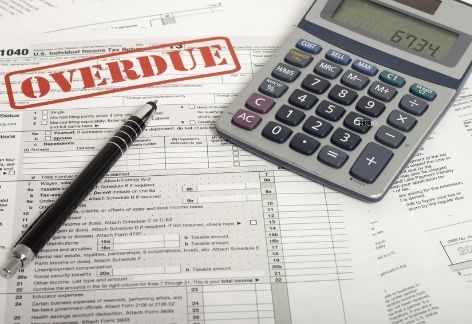

Taxes can be a complicated subject, and while it’s expected of the average taxpayer to know and understand every tax they owe, the reality is that taxes are not always at the top of the list for the average person’s daily worries.
While there are countless guides and guidelines online and on official pamphlets published by tax authorities like the Internal Revenue Service, millions and millions of Americans find themselves behind on their taxes and tax returns every single year, totalling in billions of unpaid tax dollars.
These delinquent taxes can put you on the IRS’s radar in a bad way – often resulting in high fines, financial penalties, accrued interest, and a final tax bill that might make your heart skip a beat. The longer you wait to resolve your tax issues, the more aggressive the IRS might get – down to claiming your property without requiring your consent.
Understanding and avoiding delinquent taxes – or knowing how to resolve them as quickly and effectively as possible – can mean the difference between getting back on the government’s good side and dealing with significant tax debts and aggressive collection actions for years to come. One important aspect to consider is the recovery rebate credit eligibility requirements, which can provide financial relief for those impacted by economic downturns. Understanding these requirements will help individuals navigate their tax situations more effectively. By staying informed about available credit options, taxpayers can better position themselves for a more stable financial future.
Understanding Delinquent Taxes
Here’s the good news – if you owe the IRS money, you’re far from alone, and the IRS usually doesn’t have the manpower to aggressively pursue and investigate every case of a few missing tax dollars. A low debt to the IRS can still grow and multiply due to interest and penalties, but it’s also typically easier to resolve. Any tax debt under $25,000 can be paid off in rates via an online payment plan, also known as a streamlined payment plan – with no need for any lengthy forms or drawn-out investigations into your financial details.
Certain types of tax debt are treated more aggressively than others, however. For example – if you owe more than you expected to on your personal income tax return, it may take some time for the IRS to take serious actions against your tax account. But if you’re in charge of payroll at your company and somehow forgot to mail in everyone’s withheld FICA tax payments at the end of the month, you may be facing a more serious fine for skirting your duties with your coworkers’ collectively hard-earned dollars. Understanding excise tax benefits can provide significant advantages for businesses, particularly in reducing their overall tax liabilities. Companies that navigate these benefits effectively may find opportunities to reinvest those savings into their operations or workforce. It's crucial to stay informed about the ever-changing regulations to maximize these potential advantages.
So, the question becomes: when should you worry about delinquent taxes? The answer depends on your personal circumstances. If you have the means to pay your tax debt right now, do it as soon as possible. Interest rates and penalties on tax debt are meant to hurt and coerce payment. Even an insignificant debt can pile up into something serious over the course of a few months. Furthermore, even if your debt isn’t altogether large, the IRS will still be incentivized to pursue it in due time – a tax debt expires ten years after its initial assessment, meaning the IRS will want to make sure that they can collect on what is owed well before then.
What Can the IRS Do to Me?
The IRS cannot force you into abject poverty, but there is a lot the IRS can do to coerce the fulfilment of your taxpayer obligations. First and foremost, any delinquent taxes give the IRS the right to apply penalties and interest on top of what is owed, usually in line with the nature of the debt. Understanding imputed income concept can be crucial when assessing your overall tax liability. This concept involves calculating income that isn’t directly received in cash but still counts toward your taxable earnings. Failing to comprehend how imputed income affects your financial picture can lead to unexpected obligations during tax season.
There are separate penalties for late tax returns, late tax payments, incorrect information returns, inaccurate tax returns, erroneous claims for a tax refund or tax credit, penalties for a failure to deposit employment taxes, penalties for bounced checks, incorrect tax returns filed on someone else’s behalf (for tax preparers), underpayment of estimated taxes for self-employed individuals or corporate entities, and more.
If watching your tax debt grow is not enough incentive to kickstart a speedy payment plan, the IRS’ next order of business would be to inform you of their intention to file a public lien. Tax liens place the IRS at the top of your list of financial priorities, above other creditors – meaning, you must pay the IRS before you can absolve any of your other ongoing debts, and anything you liquidate or sell must first be used to satisfy your debt to the government.
A tax lien is a public notice, meaning other creditors are informed that the government’s interest in your assets supersedes their collective interests. In the not-so-distant past of 2016, a tax lien would also have constituted a black mark on your credit score, in line with a bankruptcy. While credit reporting agencies stopped accounting for tax liens in 2017, they may still impact your ability to seek financing even after your debt is repaid for some time. For many individuals, understanding the tax benefits for homeowners in California can lead to significant savings. These advantages often include deductions for mortgage interest and property taxes, enhancing the allure of homeownership in the state. Homeowners should take the time to familiarize themselves with these benefits to maximize their financial investments.
If a lien isn’t enough, the IRS can resort to a bank levy or a wage levy (wage garnishment). These are legal claims of your property and/or assets, such as claiming the contents of a bank account, or even taking your home and putting it out on the housing market.
What You Need to Know About Resolving Delinquent Taxes
When it comes to collection actions – such as liens and levies – the IRS’ official stance is that resolving a lien or levy means first resolving the corresponding delinquent taxes. In other words, the IRS has no reason to stop collection actions against your tax account unless your debt is paid.
But there are a few other things to consider. First, the IRS could be wrong. If the basis for the IRS’ debt collection is false – and if you can prove in an appeal that you don’t owe any outstanding taxes – they will withdraw and halt their collection actions.
Secondly, the IRS could be late. Sometimes, the IRS will issue a notice of lien or levy even after you’ve paid your debt. If you’re currently under a tax lien, it can take up to 30 days for the IRS to withdraw the lien after your debt has been paid. If this is the case, contact a tax lawyer and ask them to represent you – especially if it’s taking the IRS longer than usual to step off your account.
Third, you could be broke. The IRS issues currently not collectible statuses to taxpayers who are indigent and cannot pay their debt at the moment. This temporary status should shield you from a levy while you rebuild your finances. It does not, however, remove a tax lien.
Once you’re ready to pay, your options are simple:
- Payment plans and installment agreements
- Offers in compromise
- Innocent spouse relief
There’s no need to panic. Delinquent taxes are often a simple matter of resolving your tax issues quickly and amicably. If the IRS is being obtuse, or if you’re confused about your tax situation, it pays to work with a professional team. Yes, the IRS could charge you criminally or even take your home – but it’s extraordinarily rare for them to do that, and a lot must happen before you lose the keys to your own front door. Let’s talk about your case together and figure out the best way forward at Rush Tax Resolution.